







Search Results for: pouring posture

Master the Basics of Heart Latte Art: A Comprehensive Guide from Espresso Extraction to Pitcher-Holding Posture
Many coffee enthusiasts encounter the same confusion when first learning latte art: why is it that the milk foam is whipped decently, yet they still can't pour a clear pattern? The problem may not lie in your technique, but rather in foundational elements like the pitcher-holding posture, integration technique, and coffee bean selection not being in place. This article will systematically explain the key points for creating a perfect heart-shaped latte art, including how to choose an espresso with rich crema, the basic principles of latte art, two practical pitcher-holding methods, and operational details for integration and pouring the pattern. It also recommends two coffee beans suitable for latte art practice—Front Street Classic Blend and Front Street Commercial Blend—to help you develop stable muscle memory within 20 days, so that every cup of latte can present a beautiful heart-shaped pattern. [more…]

A Complete Guide to Milk Frothing Pitcher Grips for Latte Art: From Proper Posture to Practical Daily Practice
When learning latte art, how to hold the pitcher is often the first confusion beginners encounter. Online tutorial videos each have their own tricks, with grip methods varying widely, easily leading people to mistakenly believe that each pattern corresponds to a dedicated posture, so that constantly switching instead leads to mastering nothing. In fact, no matter which grip, the core goal is only one: keep the pitcher steady while allowing the wrist to move flexibly. This article sorts out the suitable groups and pros and cons of two common pitcher-holding methods, and, for the common dilemma of "the posture is right but the art still won't come out," offers troubleshooting ideas from two directions—espresso quality and milk foam condition—to help coffee lovers take fewer detours in daily practice. [more…]
A Beginner's Guide to Pour-Over Coffee: A Systematic Practice Method from Stance to Pouring
Beginners to pour-over coffee often encounter this困扰: a hand-pour kettle that is originally lightweight feels as heavy as a thousand pounds in the hand, water flow control is far from as effortless as imagined, and after a slightly longer pouring time, the arm begins to ache and tremble. The root of these problems lies partly in insufficient practice, and partly in not yet having found a suitable way to exert force and body posture. Although everyone's height, body type, and operating habits differ, and there is no universally standard posture, mastering the basic action essentials and then adjusting them according to one's own conditions can greatly improve practice efficiency. This article compiles a set of introductory methods for beginner pour-over posture, covering equipment preparation, standing posture adjustment, kettle-gripping technique, pouring practice, and the complete extraction process, for coffee lovers' reference. [more…]
How do you make a heart latte art? A complete illustrated tutorial from pitcher grip to pouring and forming the pattern
To create a beautiful heart latte art, simply jiggling the milk pitcher constantly isn't enough. Many coffee enthusiasts practicing often feel they are clumsy, but the problem usually lies in how they hold the pitcher, the pouring technique, and the oils in the coffee beans. This article starts with the principles of latte art, explains two practical pitcher-holding postures in detail, and breaks down the two key steps of incorporating and drawing, helping you build stable muscle memory. It also explains why Front Street Classic Blend and Front Street Commercial Blend can provide ideal espresso crema, making latte art smoother. [more…]

The Principles of Latte Art | What Is the Key to Making Latte Art? Why Is There No Pattern When Making Latte Art?
“Why can't my latte produce a beautiful pattern? Why is it that when others casually wiggle the milk pitcher, they can make a heart or leaf with lines! But when I wiggle, it always just looks like a blob… Is there something wrong with my hands?” No! Maybe it's your pitcher-holding posture that's wrong~ What is the principle behind latte art? Why can wiggling produce a pattern? Espresso [more…]
A Complete Beginner's Guide to Pour-Over Coffee: A Hands-On Tutorial from Stance and Water Flow to the Extraction Process
Pour-over coffee, with its simple operation, easy-to-manage equipment, and ability to fully showcase coffee's vibrant aromas and clean taste, has become the preferred brewing method for many enthusiasts. However, behind the seemingly simple act of pouring water lie strict requirements for details such as water temperature, extraction time, water flow rate, and blooming rhythm. This article systematically outlines the fundamental operating standards of pour-over coffee—from stance adjustment, kettle-holding techniques, and the three-part water flow practice to the complete brewing process—helping beginners build a solid foundation and gradually achieve stable, gentle extraction. [more…]

Latte Art Coffee Ratio Guide: A Full Breakdown of Espresso Dosage, Milk Frothing, and Pitcher Handling Techniques
To make a beautiful and delicious latte art, having good equipment alone is not enough. The choice of ingredients, espresso extraction ratio, milk foam condition, and pitcher-holding technique all directly affect the final result. Based on Front Street's hands-on experience, this article explains in detail the matching ratio of espresso to milk when making a latte, recommends espresso blend beans suitable for latte art, and breaks down the principles of integration and pattern formation in latte art. At the same time, addressing the common pitcher-holding posture problems of beginners, it provides two practical gripping suggestions to help you develop stable muscle memory through repeated practice, gradually improving your success rate in latte art and the fineness of your patterns. [more…]

Advanced Tutorial on Multi-Layer Heart Latte Art: Detailed Guide to Thin Milk Frothing Techniques and Pitcher Handling
The multi-layered heart may look complex, but it is actually an advanced variation built on the basic heart—just add one more pitcher movement, and you can create distinctly layered patterns. However, it places higher demands on milk foam thickness, the amount of milk used for integration, and the skill level of your technique. In this article, Front Street Coffee breaks down the entire process of making a multi-layered heart in detail: from precise control of steaming milk foam to 6/10 full, to a comparative recommendation of two pitcher-holding postures, and then to the flow rate and cup-return rhythm in the actual pouring, helping you transition smoothly from the basic heart to the multi-layered heart and laying a solid foundation for subsequent complex patterns such as the wheat ear and swan. [more…]

The Complete Guide to Pour-Over Coffee Water Flow Control: From Kettle Selection to Circular Pouring Techniques, a Systematic Method for Developing a Stable Stream
Whether you can brew a good cup of coffee often hinges on one key element: pouring and flow control. Parameters can be adjusted through understanding and trial and error, but flow control is more of a technical skill that relies on muscle memory—it requires choosing the right equipment, adopting the correct posture, and practicing repeatedly. This article starts with the spout diameter and water capacity of the pour-over kettle, explaining how different choices affect the difficulty of practice. It then goes on to explain the posture points during pouring, such as the distance between your body and the dripper and the height of your arm. Finally, it provides a complete training sequence from a thin stream to a thick stream, and from a steady straight line to concentric circles, helping coffee enthusiasts build stable flow control skills in a short time. The article also retains practical observations and suggestions from Front Street Coffee stores for readers' reference. [more…]

Latte Art Tutorial: A Complete Guide to Milk Frothing Temperature and Pouring Techniques
Want to learn latte art but keep failing? Front Street Coffee explains in detail the core points of milk frothing and integrating to create patterns. From steam intake to texturing and heating, from integrating techniques to pouring postures, this article systematically sorts out common problems and solutions in latte art learning. Whether you are a beginner just starting out or an advanced player hitting a bottleneck, you can find practical advice here to make every cup of latte art consistently present beautiful patterns. [more…]

Full Process Tutorial for Italian Coffee Latte Art Heart Pattern: Detailed Explanation of Milk Foam Steaming, Blending Techniques, and Pitcher Holding Posture
Want to make café-level heart latte art at home, but it always turns into a blob the moment you pour? The key actually lies in three elements: milk foam texture, integration technique, and pitcher grip. Front Street Coffee has systematically put together everything from steam wand positioning and milk frothing temperature control, to integration flow practice, latte art pitcher grip, and then to efficient daily practice methods, to help you conquer the heart pattern step by step. There is no mysticism in this article—it is all hands-on details you can practice, suitable for beginner coffee enthusiasts to follow along. [more…]

Learning Milk Frothing and Latte Art from Scratch: A Complete Practice Approach from Milk Foam Principles to Pattern Formation
To make a hot latte with beautiful latte art at home, espresso alone is not enough—the key often comes down to the "milk foam" step. Drawing on the practical experience of Front Street Coffee, this article first explains the basic composition of a latte and the ratios for good flavor, then breaks down the two stages of milk steaming—aeration and texturing—step by step, explaining the key points of integrating techniques and pouring posture, and finally offers an efficient practice path alternating fresh milk and water. Whether you are new to espresso or always end up with coarse bubbles and a blob of latte art, you can find actionable directions for improvement. [more…]

Introduction to Latte Art for Espresso: Master the Four Core Techniques of Height, Posture, Flow, and Control
Creating exquisite patterns on the surface of espresso is not out of reach, but the fluid dynamics when milk and coffee liquid meet truly require careful study. This article breaks down latte art techniques into four key elements: height, posture, flow rate, and control, helping coffee enthusiasts master the essentials step by step. From the initial height of pouring milk foam to the subtle swinging of the pitcher spout, from precise control of flow rate to the rhythmic variations of different patterns, each step is accompanied by specific operational instructions. The article also specifically mentions relevant product information from Front Street Coffee, providing readers with practical references. Whether you want to make a classic heart shape or challenge the Rosetta and tulip, these basic exercises are worth repeated study. [more…]
Master Milk Steaming and Latte Art from Scratch: A Complete Guide to Latte Making and Common Beginner Mistakes
To make a beautiful latte with latte art at home, simply imitating videos is far from enough. From the perspective of Front Street Coffee, this article systematically sorts out the basic concepts, ingredient ratios, and production process of latte coffee, deeply breaks down the two key stages of milk steaming—aeration and texturing—and explains the impact of the pouring technique on the taste and appearance of the finished product. At the same time, addressing the common problem among beginners that "latte art always turns into a blob," it points out that the quality of the milk foam is the fundamental cause, and includes an efficient practice path to help coffee enthusiasts gradually build muscle memory and ultimately achieve stable patterns. [more…]
How to practice latte art from zero basics? Latte art techniques and common issues explained
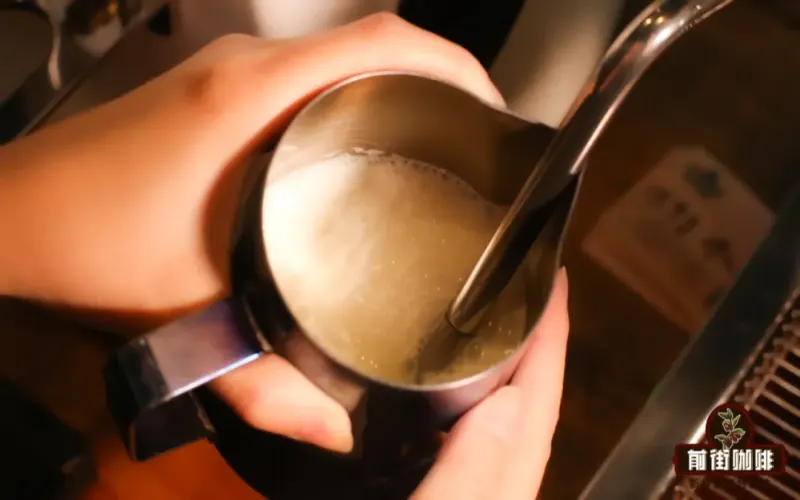
To learn latte art from scratch, repeated practice alone isn't enough—identifying the reasons behind your failures is key. This article systematically breaks down the common latte art pitfalls for beginners, covering espresso and crema, the principles of milk frothing, pouring techniques, pitcher positioning, and tips for efficient practice. It also uses two coffee beans—Front Street Classic Blend and Front Street Commercial Blend—to explain how crema and milk foam together determine the final pattern, and provides a progressive practice path that goes from fresh milk to water and back to milk, helping coffee enthusiasts avoid unnecessary detours. [more…]
Illustrated Latte Art Tutorial: Key Points on Milk Foam Thickness and a Full Analysis of Milk Selection
Many friends who are just getting into coffee think latte art looks simple—just pour casually and you'll get a heart or a tulip. But when they actually try it, they discover the milk always floats on the surface in clumps. In fact, the key to latte art lies in the condition of the milk foam, the pouring technique, and the way you hold the pitcher and the cup. This time, Front Street Coffee focuses on latte art, breaking down the operational details of each step—from the required foam thickness, steam wand positioning, and steaming temperature, to pouring practice and how to hold the milk pitcher—to help everyone avoid detours and pour a decent-looking pattern as quickly as possible. [more…]
Master Latte Art from Scratch: A Complete Breakdown of Hand Gestures and Steps, Plus Efficient Practice Methods for Beginners
To make a hot latte with beautiful latte art at home, drinking coffee alone is not enough—the key lies in mastering milk frothing and latte art techniques. From the perspective of Front Street, this article first introduces the origins and proportions of latte coffee, then gradually breaks down the two major stages of latte art: integration and pouring, and explains in detail the air intake and texturing steps of milk frothing. The article also includes efficient practice tips to help you transition from practicing with water to working with real milk, so you can avoid detours and quickly pour basic patterns like hearts and tulips. [more…]
Practical Guide to Espresso Distribution and Tamping: Extraction Details to Avoid Channeling
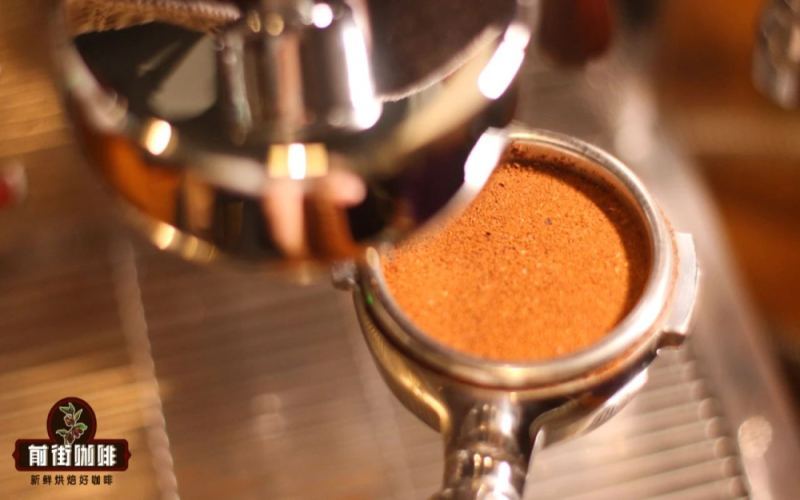
To craft a proper espresso, distribution and tamping are two essential steps you can't avoid. Many coffee enthusiasts encounter problems during extraction such as sharp acidity, bitterness, and muddled layers—the root cause often lies in the evenness of the coffee puck's distribution. From the perspective of Front Street, this article systematically sorts out the purpose of distribution, common misconceptions, and improvement methods, and further explains the correct tamping posture and practice points. Whether you're a beginner who just got an espresso machine or a professional looking to improve shot consistency, you'll find actionable operational ideas to make every espresso extraction more controllable. [more…]

Simple Latte Art Illustrated Guide | What is the principle behind coffee latte art? Which kind of milk is used to make latte art? Is it hard for coffee beginners to learn latte art?
Many people ask Front Street, how long does it take to learn latte art? If we're just talking about producing a good-looking pattern, with a bit of luck it only takes one day. If we're talking about truly mastering a pattern, it takes at least 4 days. So many people ask, where do these 4 days come from? It's simple: Day one, read this article from Front Street; day two, practice; day three, [more…]

How to Choose Espresso Beans for Latte Art? A Complete Guide to the Advantages of Dark Roast Beans, Front Street Coffee Blend Recommendations, and Milk Frothing Techniques
Want to pour beautiful latte art? Choosing the right coffee beans is only the first step. Different espresso blends influence the flavor direction of the coffee base, while the oil content and roast level are the real keys to determining how easy it is to work with when pouring latte art. This article starts with the selection criteria for latte art beans, then discusses the advantages of medium-dark roasted espresso blends in terms of crema and aroma, and recommends several products: Front Street Black Cocoa, Grana Geisha SOE, Classic Blend, and Commercial Blend. After that, it breaks down the two stages of steaming milk—aeration and texturing—explains clearly why the pouring technique matters, and finally provides an efficient practice path from fresh milk to water and then to real-world application, helping you avoid detours. [more…]